
Saffron Stories Culture and History
Welcome to the Saffron Caravane Blog
Your destination for saffron stories, culture and history
Saffron Stories is where the rich history, culture and culinary traditions of the world's most treasured spice come to life. Explore authentic recipes, fascinating historical journeys, growing traditions from Morocco and beyond, and discover how saffron has inspired cooks, merchants and civilisations for thousands of years.
Explore the fascinating world of Moroccan saffron, from the ancient trade routes of North Africa and the Mediterranean to the traditional harvests of Taliouine in the Anti-Atlas Mountains. Discover articles on saffron cultivation, culinary traditions, folklore, travel, and the people who have shaped the history of this remarkable spice. Whether you're a food lover, history enthusiast, traveller, or curious reader, our blog offers insights into the heritage, uses, and enduring legacy of the world's most precious spice.
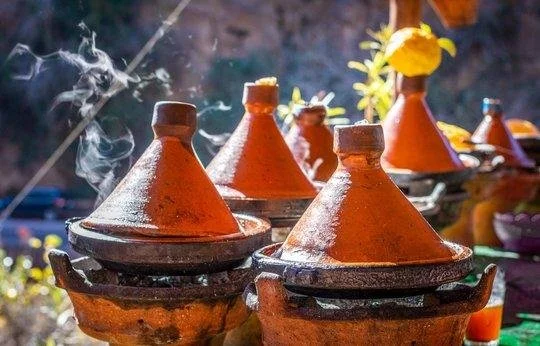
Saffron for the Table
Discover authentic saffron recipes from Morocco, Persia, the Levant, Spain, Italy and France. Learn how saffron has shaped Mediterranean cuisine for centuries.
For more than 3,500 years, saffron has coloured textiles, been used in medicines and royal ceremonies, but most importantly, saffron has and continues to be used in some of the world's most celebrated cuisines. From the mountain villages of Morocco to the bustling bazaars of Persia and the coastal kitchens of Spain and Italy, saffron has remained a symbol of hospitality, prosperity, and celebration.
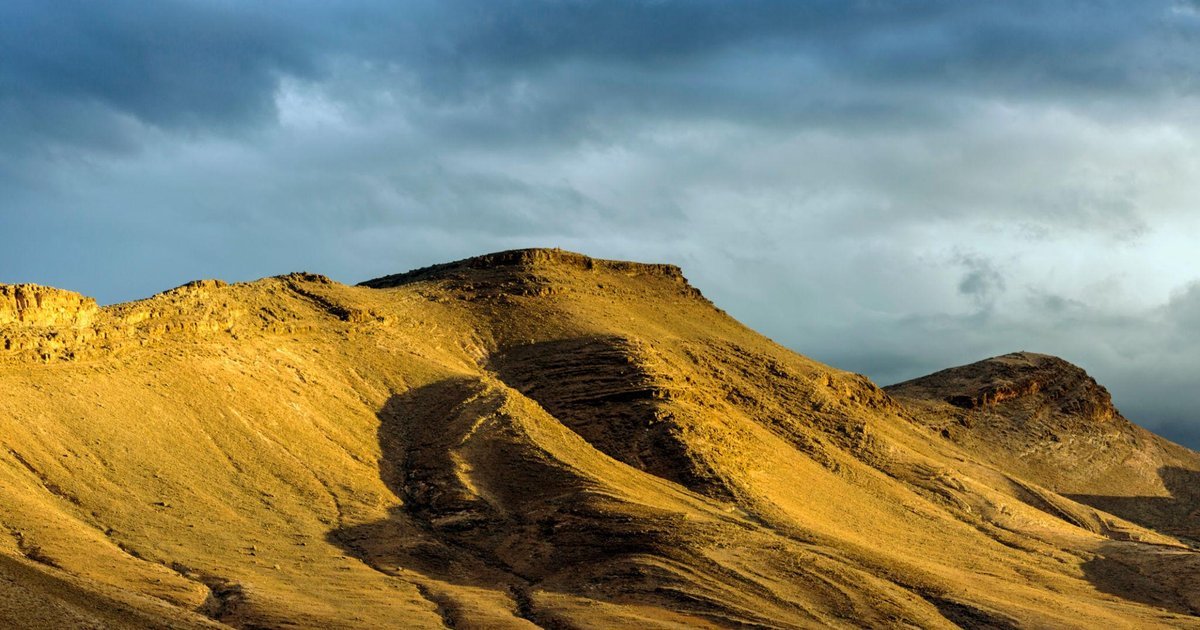
The Saffron Journey
The Saffron Journey
Across North Africa, the Middle East and the Mediterranean
From Antiquity to Taliouine's Red Gold
Few spices can claim a history as long, colourful, and influential as saffron. Derived from the delicate crimson stigmas of Crocus sativus, saffron has travelled across empires, religions, trade routes, and cuisines for more than 3,500 years. From the Bronze Age civilisations of the Mediterranean to the mountain terraces of Morocco's Anti-Atlas, saffron has remained one of the world's most treasured agricultural products.
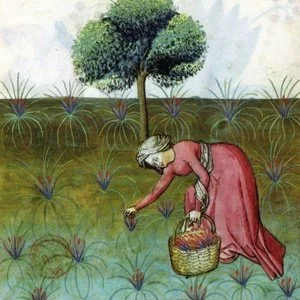
The History of Saffron in England:
For centuries, saffron was one of England's most valuable commodities. Worth its weight in gold, prized by physicians, cooks, merchants and scholars, this remarkable spice coloured food, dyed fabrics, appeared in medicines and even functioned as a form of currency.
Today saffron is often regarded as an exotic luxury imported from distant lands. Yet few people realise that England once cultivated significant quantities of its own saffron, particularly in Essex and Cambridgeshire, where entire communities prospered from the crop. At the heart of this story stood the colleges of Cambridge, whose appetite for saffron helped create one of medieval England's most lucrative agricultural industries.
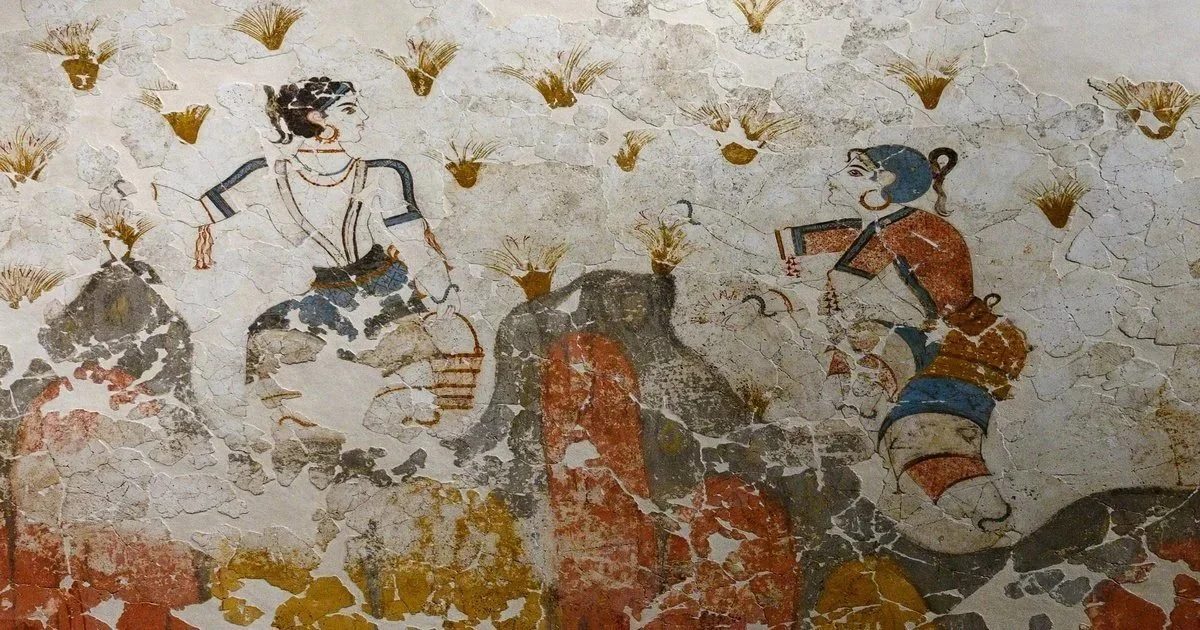
Saffron: The Spice That Followed Civilisation
The Spice That Followed Civilisation
Few spices can claim a history as long, colourful, and myth-laden as saffron. Long before it flavoured rice, perfumed cakes, or coloured royal robes, saffron occupied a place in religion, medicine, art, and mythology. Its story stretches back thousands of years and follows the rise and fall of civilisations across the Mediterranean, the Middle East, and Europe.
In Search of Saffron
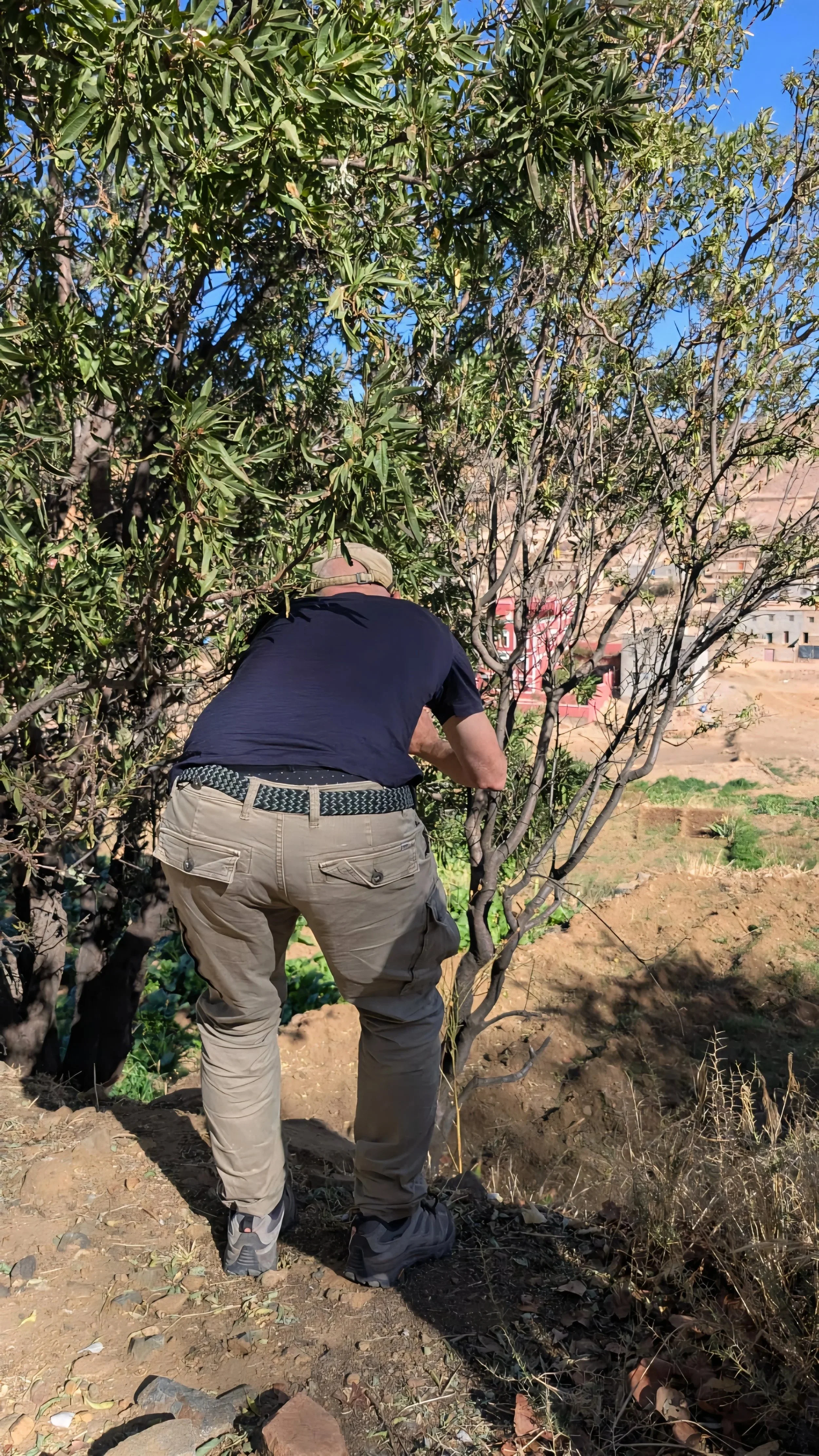
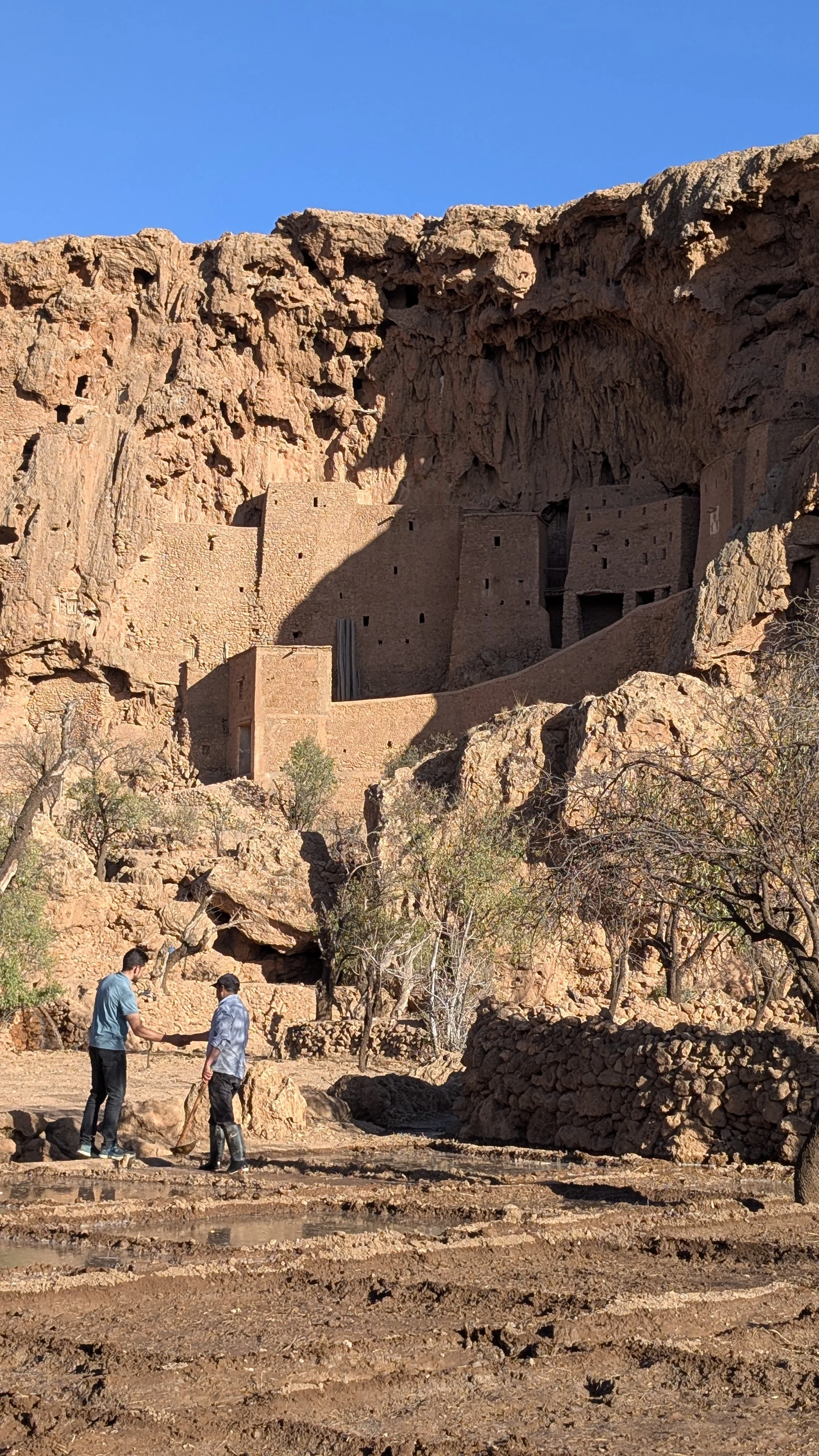
In the autumn, we travel, as we always do, to the place our saffron comes from, back to Morocco and the Anti-Atlas Mountains
Understanding the True Quality of Saffron
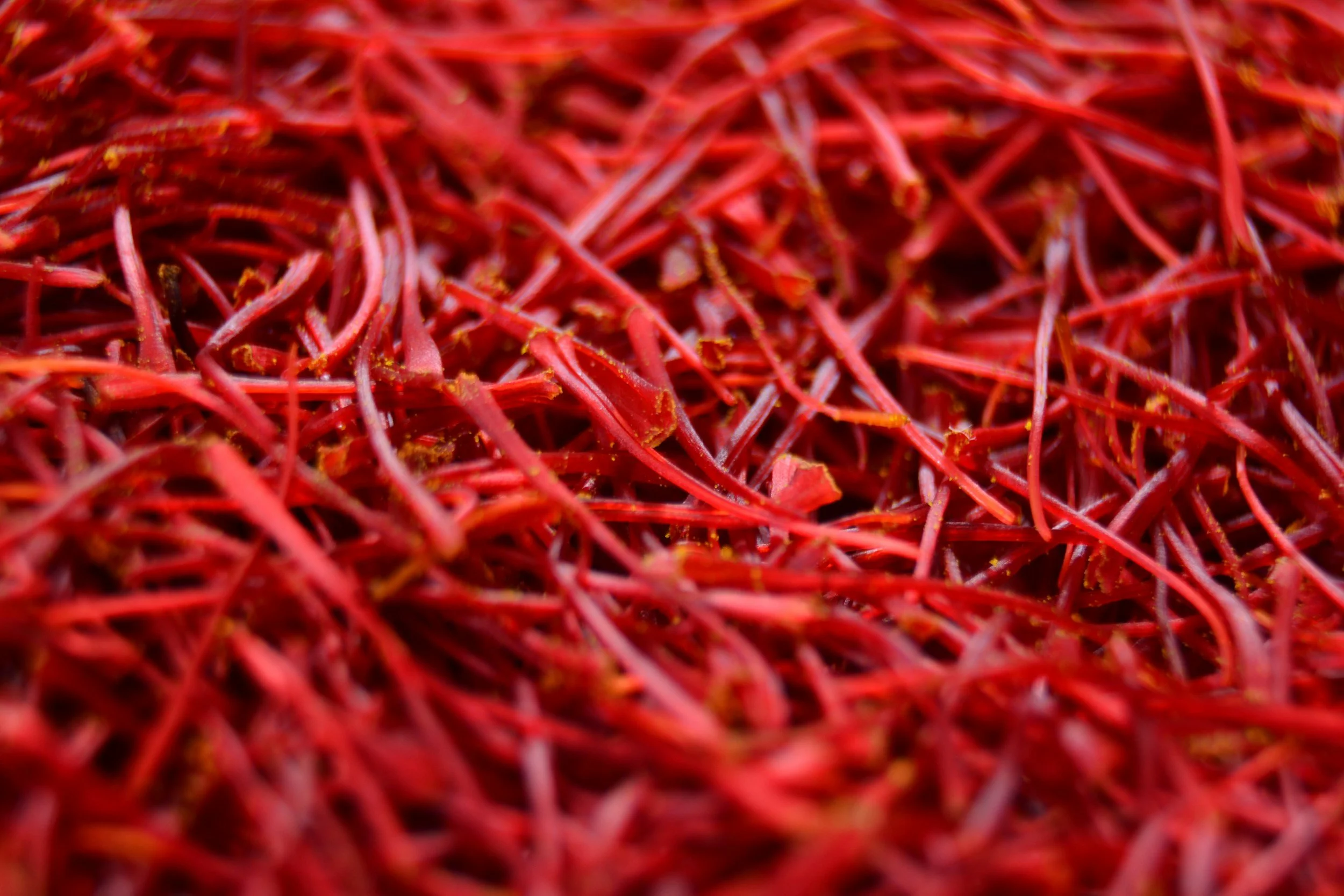
High-quality saffron is defined by three essential components: flavour, colour, and aroma. Together, they form what experts call saffron’s organoleptic architecture. Chemically, these characteristics come from three key compounds: Picrocrocin – responsible for the flavour of saffron. α-crocin – the source of its vibrant colour. Safranal – the compound that gives saffron its distinctive aroma
All About Saffron
Taliouine saffron is the only organic saffron of superior quality produced on the African continent. Its naturally powerful colouring strength—often 50% higher than Iranian saffron—is one of the qualities that make it exceptionally valuable to chefs, spice specialists, and wellness practitioners.