
The Saffron Journey
Across North Africa, the Middle East and the Mediterranean
From Antiquity to Taliouine's Red Gold
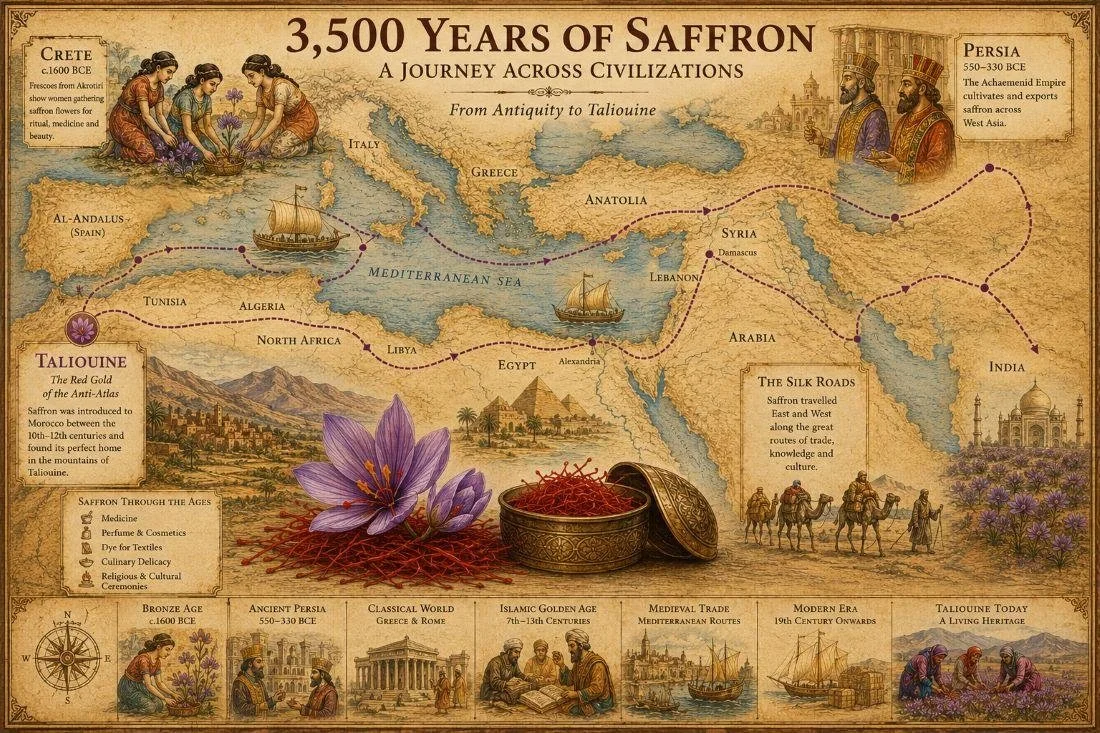
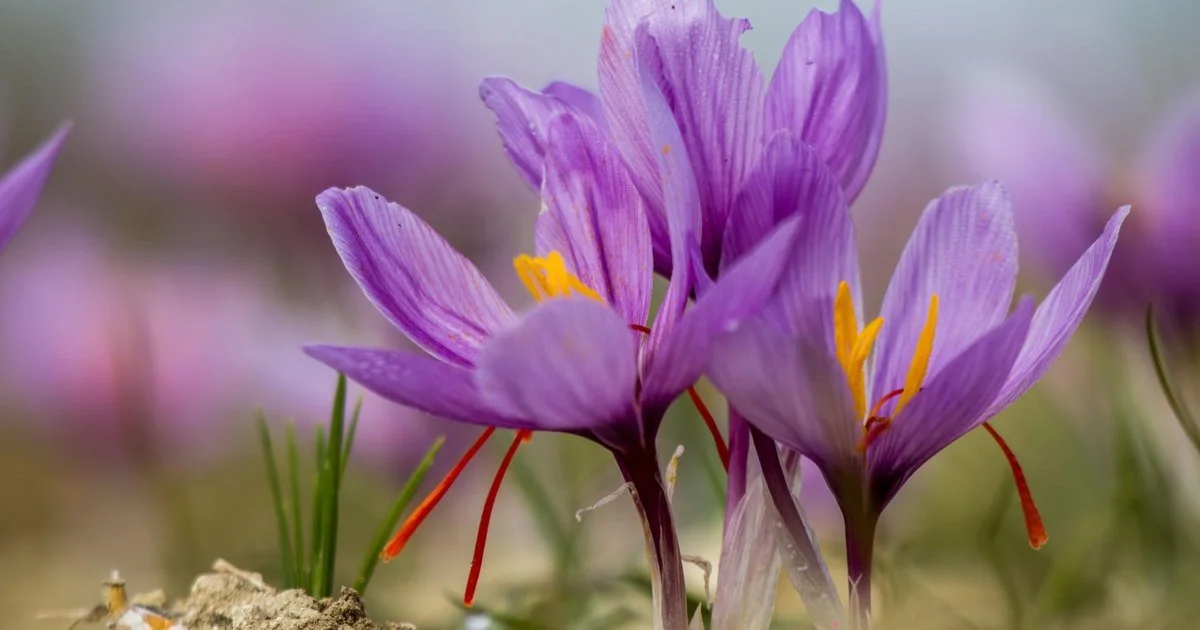
Few spices can claim a history as long, colourful, and influential as saffron. Derived from the delicate crimson stigmas of Crocus sativus, saffron has travelled across empires, religions, trade routes, and cuisines for more than 3,500 years. From the Bronze Age civilisations of the Mediterranean to the mountain terraces of Morocco's Anti-Atlas, saffron has remained one of the world's most treasured agricultural products.
Today, the story continues in Taliouine, Morocco's saffron capital, where traditional cultivation methods preserve a legacy that stretches back through millennia of Mediterranean and Middle Eastern history.
Bronze Age Origins: Where Saffron's Story Begins
The precise origins of saffron remain a subject of debate among historians and botanists, but most evidence points towards the eastern Mediterranean. Many scholars believe saffron was first domesticated on the island of Crete during the Bronze Age.
Among the earliest known depictions of saffron are the remarkable frescoes discovered at Akrotiri on the Greek island of Santorini, dating to around 1600 BCE. These paintings show women gathering saffron flowers and suggest that the spice was already valued for both medicinal and ceremonial purposes.
Even in these earliest societies, saffron was prized for:
Medicine and healing
Perfume and fragrance
Dyeing textiles
Religious rituals
Cosmetics and beauty treatments
From the Aegean, saffron spread rapidly through neighbouring civilisations in Egypt, Syria, and Mesopotamia, where it became a symbol of wealth and prestige.
Ancient Persia: The World's First Saffron Superpower
No civilisation shaped the history of saffron more profoundly than ancient Persia.
By the time of the Achaemenid Empire (550–330 BCE), saffron cultivation had become widespread across Persian territories. The spice was woven into everyday life and luxury culture alike. It perfumed royal courts, coloured ceremonial garments, flavoured food and wine, and formed part of traditional medicines.
Persian merchants also became the principal distributors of saffron throughout western Asia. As trade expanded along routes that would later form part of the Silk Roads, saffron travelled east into India and west towards the Mediterranean.
This deep historical connection remains evident today. Modern Iran continues to produce the majority of the world's saffron and remains central to the global saffron trade.
Saffron in the Classical Mediterranean World
The Greeks and Romans embraced saffron with enthusiasm.
Ancient Greek physicians, including Hippocrates, prescribed saffron for a variety of ailments, while Greek mythology associated the spice with love, beauty, and transformation. The Romans expanded its use even further, incorporating saffron into cooking, medicine, bathing rituals, perfumes, and public ceremonies.
Roman elites were known to scatter saffron throughout theatres and public buildings for its fragrance. Wealthy households infused wines, sauces, and desserts with its distinctive colour and aroma.
As Roman trade networks extended across North Africa and the Levant, saffron became established throughout regions that today include:
Tunisia
Algeria
Libya
Egypt
Turkey
Lebanon
The Islamic Golden Age and the Spread of Saffron
The expansion of the Islamic world during the seventh and eighth centuries accelerated the movement of crops, knowledge, and agricultural techniques across three continents.
Saffron cultivation became increasingly organised as scholars, farmers, and traders exchanged expertise throughout the Islamic world. Arab agronomists documented cultivation methods, irrigation systems, harvesting techniques, and medicinal uses, helping to establish saffron production across:
Morocco
Algeria
Tunisia
Egypt
Al-Andalus (Islamic Spain)
During this period, saffron became deeply embedded in cuisine, medicine, manuscript production, textile dyeing, and religious life. The spice flourished alongside advances in agriculture that transformed much of North Africa and the Mediterranean.
Morocco and the Rise of Taliouine Saffron
The history of saffron in Morocco is intertwined with migration, trade, and mountain agriculture.
Most traditions suggest saffron arrived between the 10th and 12th centuries, likely introduced by Arab, Andalusian, or Berber traders travelling through the Atlas Mountains. While documentary evidence is limited, saffron became firmly established in the Anti-Atlas region and eventually centred around the town of Taliouine.
Several factors make Taliouine uniquely suited to saffron cultivation:
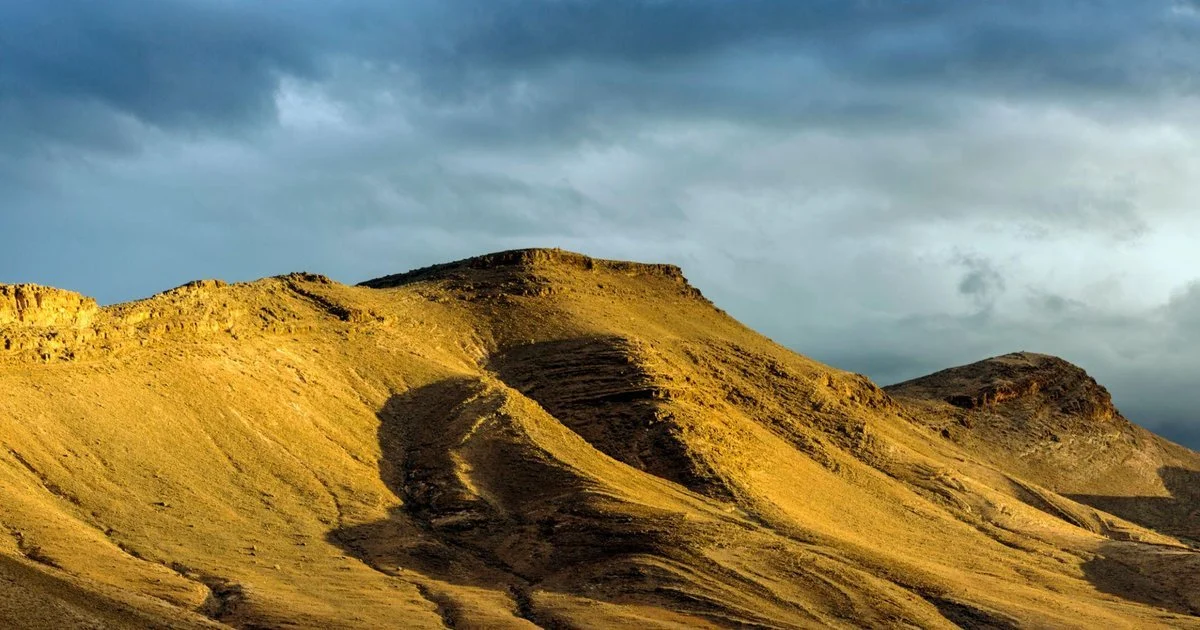
Altitudes of approximately 1,200–1,500 metres
Cold winters and hot, dry summers
Well-drained mountain soils
Limited but manageable water supplies
Long-established terrace farming traditions
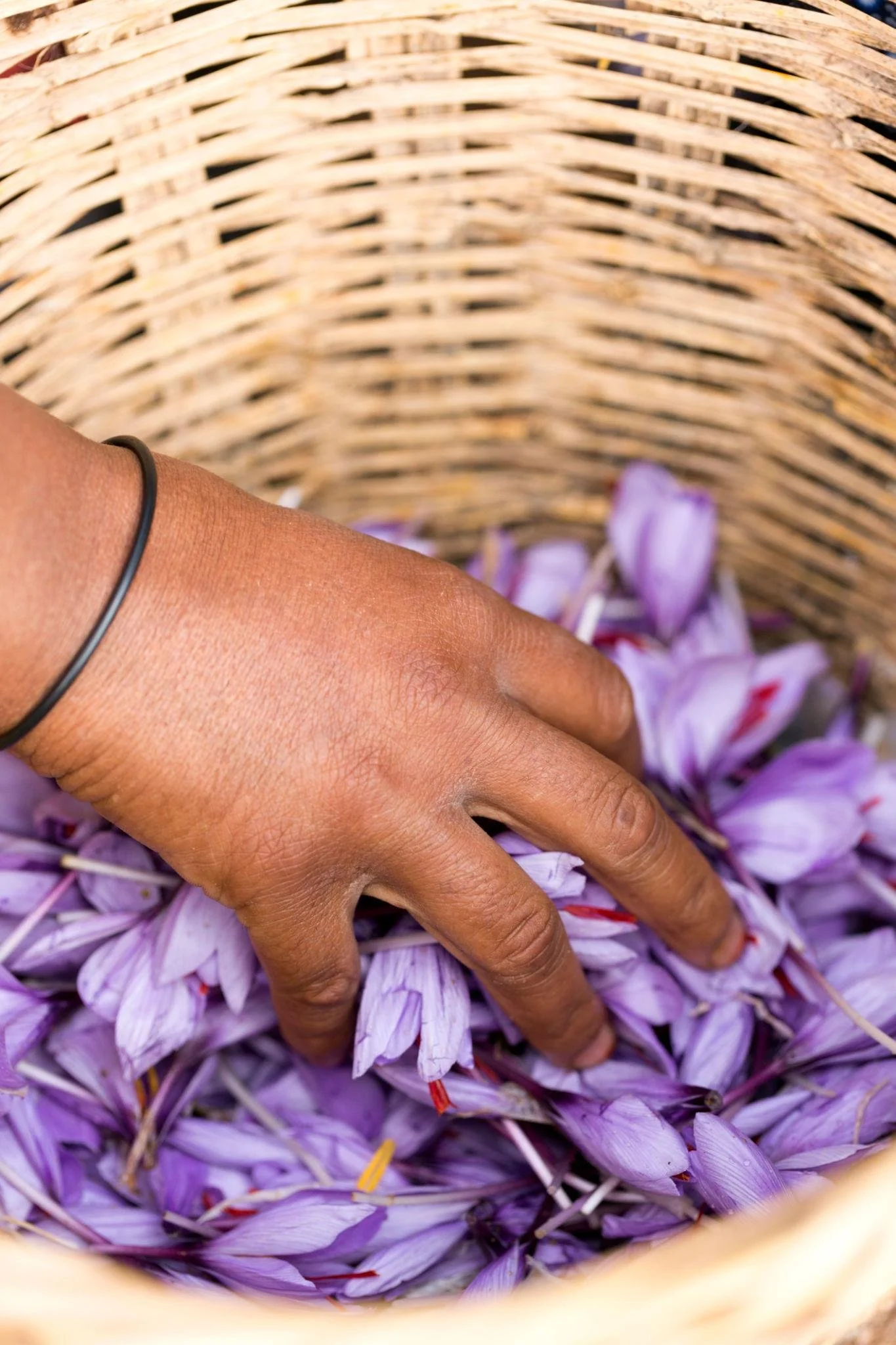
For centuries, saffron production remained in the hands of small family farms. Harvesting takes place during a brief flowering season in autumn, with every flower picked by hand and each stigma carefully separated and dried.
The extraordinary labour involved explains why saffron became known as "red gold" throughout the region.
Saffron and Medieval Mediterranean Trade
By the Middle Ages, saffron had become one of the most valuable commodities traded around the Mediterranean.
Important trading centres included:
Venice
Genoa
Fez
Marrakesh
Alexandria
Damascus
Merchants transported saffron alongside silk, spices, sugar, and luxury textiles. Demand in Europe surged following the Black Death, partly because saffron was believed to possess powerful medicinal properties.
Its value became so great that fraud and counterfeiting emerged as serious concerns. In some regions, adulterating saffron carried severe legal penalties, reflecting the spice's economic importance.
A Spice That Defined Regional Cuisine
Across North Africa, the Middle East, and the Mediterranean, saffron became a defining ingredient in some of the world's most celebrated dishes.
Morocco
Saffron remains essential in:
Traditional tagines
Couscous dishes
Chicken recipes
Festive rice preparations
Persia
Persian cuisine showcases saffron in:
Fragrant rice dishes
Kebabs
Desserts
Saffron tea and infusions
The Levant
Throughout the Levant, saffron appears in:
Rice pilafs
Sweet pastries
Herbal and medicinal drinks
Mediterranean Europe
European traditions include:
Paella in Spain
Risotto alla Milanese in Italy
Fish stews and sauces in southern France
Beyond flavour, saffron's ability to impart a rich golden colour has long associated it with celebration, prosperity, and hospitality.
Survival Through the Modern Era
The nineteenth and twentieth centuries brought dramatic changes to global agriculture and trade.
Competition emerged from major producing regions including:
Iran
Spain
India
Greece
Many historic saffron-growing areas declined as populations moved to cities and farming economics shifted. Yet Taliouine remained one of the world's most enduring centres of traditional saffron cultivation.
The region's isolation, climate, and agricultural heritage helped preserve practices that had changed little over generations.
Taliouine Today: Preserving a Living Heritage
Today, Taliouine remains Morocco's most important saffron-producing region and one of the most respected sources of high-quality saffron worldwide.
Recent decades have seen significant developments, including:
Cooperative farming initiatives
Improved quality standards
International marketing efforts
Protected geographic origin programmes
Each autumn, the region hosts the annual Taliouine Saffron Festival, celebrating both the harvest and the cultural significance of Morocco's most famous spice.
Modern laboratory analysis frequently highlights the exceptional characteristics of Taliouine saffron, including:
High colouring strength
Strong aroma
Rich safranal content
Distinctive terroir influenced by the Anti-Atlas environment
For suppliers such as Saffron Caravane, Taliouine represents far more than a source of premium saffron. It embodies a living agricultural tradition that connects modern Morocco with thousands of years of Mediterranean, North African, and Middle Eastern history.
Conclusion
The history of saffron is ultimately a story of cultural exchange. From Bronze Age Crete and the courts of ancient Persia to the mountain terraces of Taliouine, saffron has crossed continents, empires, religions, and trade routes while maintaining its status as the world's most precious spice.
Few agricultural products have remained continuously valued for so long. Every autumn in Taliouine, families rise before dawn to harvest delicate purple flowers whose crimson threads have linked North Africa, the Middle East, and the Mediterranean for more than three millennia.
That enduring connection between land, tradition, and trade is what makes saffron far more than a spice—it is a living piece of human history. The saffron journey is clearly not over.