
Saffron for the Table
Traditional Recipes and Culinary Traditions from Morocco, Persia and the Mediterranean
For more than 3,500 years, saffron has coloured textiles, been used in medicines and royal ceremonies, but most importantly, saffron has and continues to be used in some of the world's most celebrated cuisines. From the mountain villages of Morocco to the bustling bazaars of Persia and the coastal kitchens of Spain and Italy, saffron has remained a symbol of hospitality, prosperity, and celebration.
Its remarkable flavour is difficult to describe. Floral, honeyed, slightly earthy, and unmistakably luxurious, saffron transforms simple ingredients into memorable dishes. Yet its greatest magic may be its ability to impart a rich golden hue that has long been associated with wealth, abundance, and festive occasions.
Today, many of the traditional recipes that showcase saffron remain largely unchanged from those enjoyed centuries ago.

Morocco: The Heart of North African Saffron Cuisine
In Morocco, saffron is woven deeply into everyday cooking and special celebrations alike. The prized saffron of Taliouine is particularly valued for its powerful aroma and colouring strength.
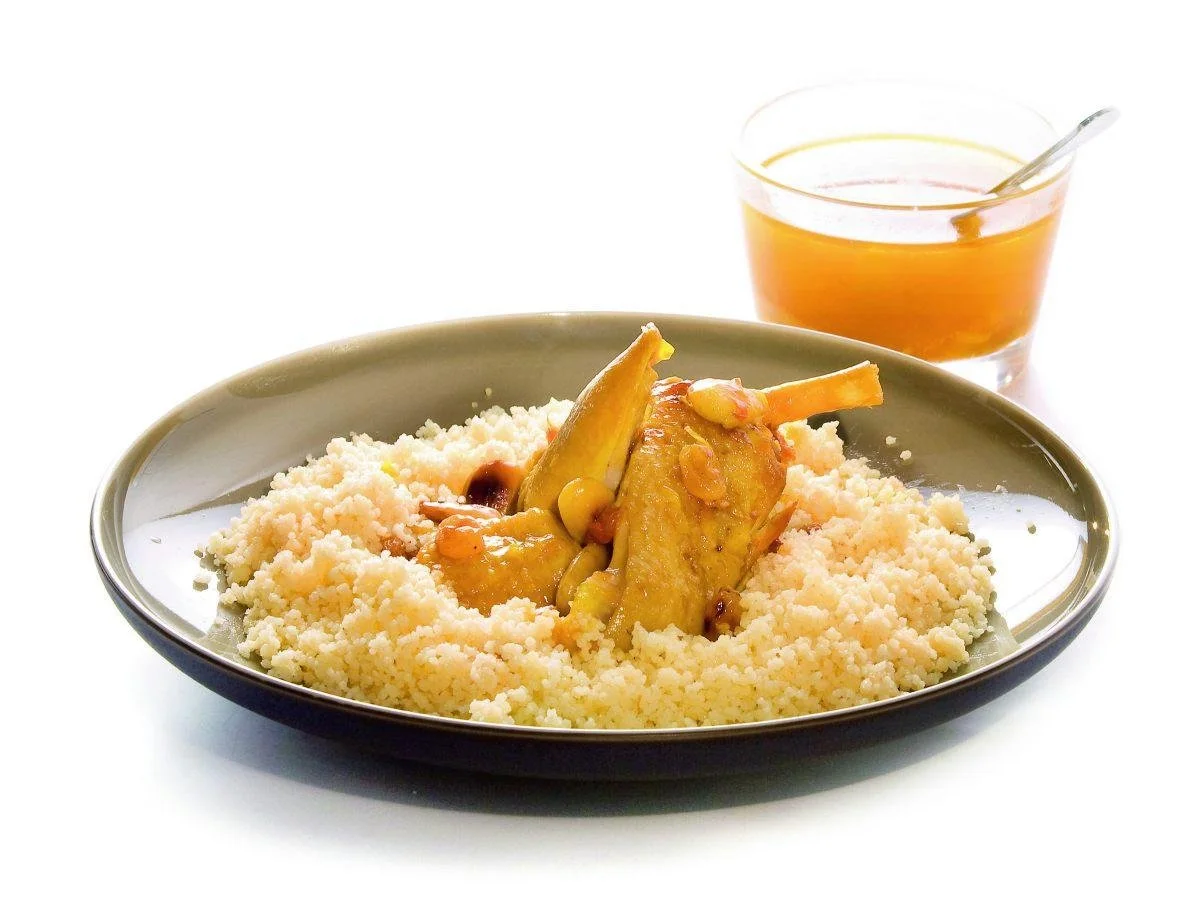
Traditional Moroccan Chicken Tagine with Saffron
A classic Moroccan tagine combines chicken, preserved lemons, olives, ginger, and saffron.
Ingredients
1 whole chicken, jointed
2 onions, finely sliced
2 cloves garlic
1 preserved lemon
150g green olives
1 teaspoon ground ginger
½ teaspoon turmeric
10–15 saffron threads infused in warm water
Olive oil
Fresh coriander
Method
Infuse the saffron threads in two tablespoons of warm water for 20 minutes.
Brown the chicken in olive oil.
Add onions, garlic, ginger, turmeric, and saffron infusion.
Simmer gently for 60–75 minutes.
Add preserved lemon and olives for the final 20 minutes.
Garnish with fresh coriander and serve with crusty bread.
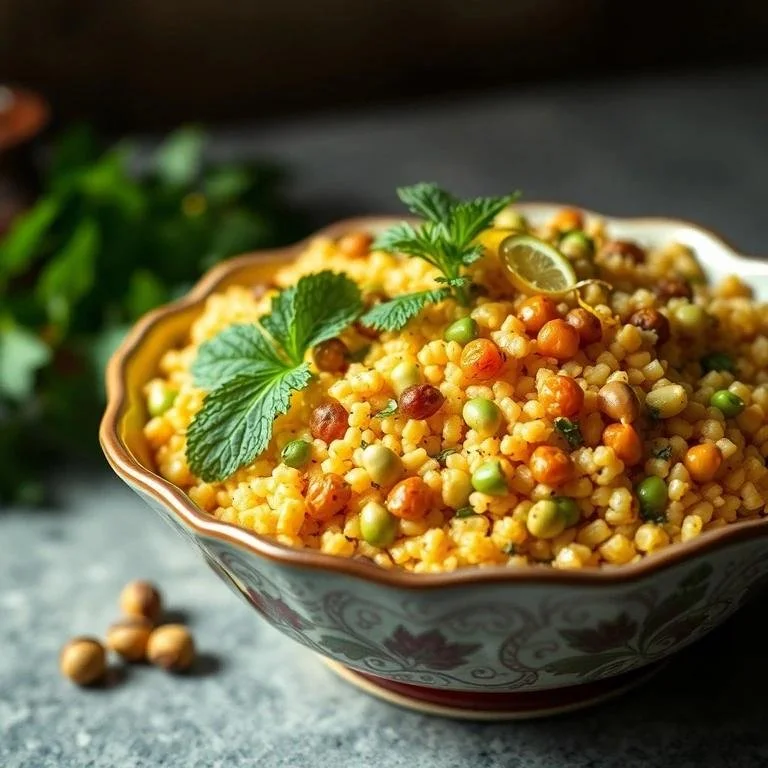
Saffron Couscous
A simple saffron infusion stirred through steamed couscous creates a beautifully fragrant accompaniment to meat and vegetable dishes.
Persia: The Art of Saffron Rice
Persian cuisine arguably elevates saffron to its highest culinary expression. No ingredient is more closely associated with Iranian cooking.
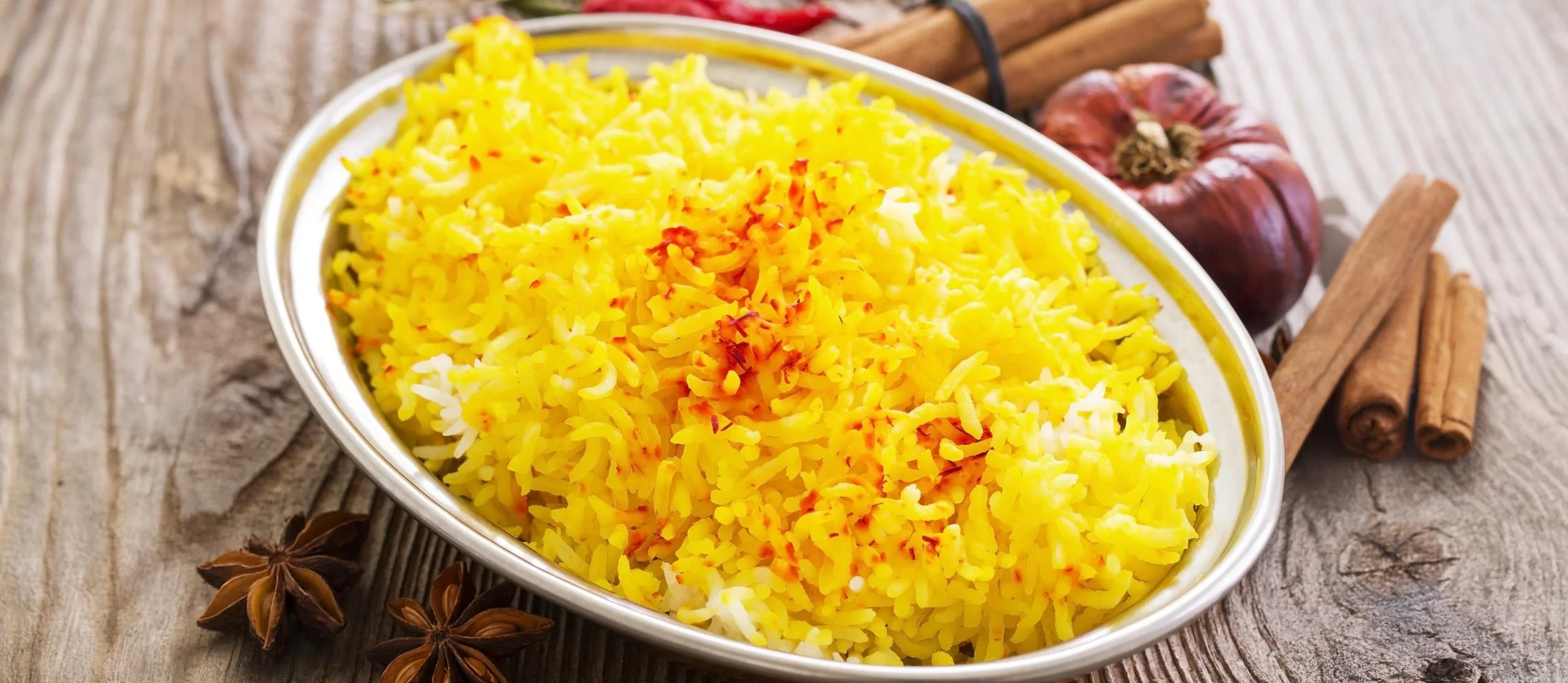
Persian Saffron Rice (Chelow)
This elegant dish is served with kebabs, stews, and grilled meats throughout Iran.
Ingredients
300g basmati rice
20 saffron threads
2 tablespoons hot water
2 tablespoons butter
Method
Soak and cook the rice according to Persian rice-making traditions.
Grind the saffron lightly and infuse in hot water.
Stir part of the cooked rice with the saffron infusion.
Layer the golden rice over the white rice before serving.
The result is a visually stunning dish that perfectly demonstrates saffron's ability to transform the ordinary into the extraordinary.
Persian Saffron Tea
Persian households frequently serve saffron-infused tea, particularly during celebrations and family gatherings. The infusion is warming, fragrant, and wonderfully aromatic.
The Levant: Fragrant Rice and Sweet Pastries
Throughout Lebanon, Syria, Jordan, and Palestine, saffron is used more subtly but no less effectively.
Traditional Levantine cooks add saffron to:
Rice pilafs
Festive lamb dishes
Sweet pastries
Herbal infusions
Levantine Saffron Rice Pilaf
Rice cooked with saffron, cinnamon, and toasted nuts provides a perfect accompaniment to grilled meats and vegetables.
The delicate flavour of saffron complements rather than dominates, reflecting the Levant's refined culinary traditions.
Spain: The Golden Heart of Paella
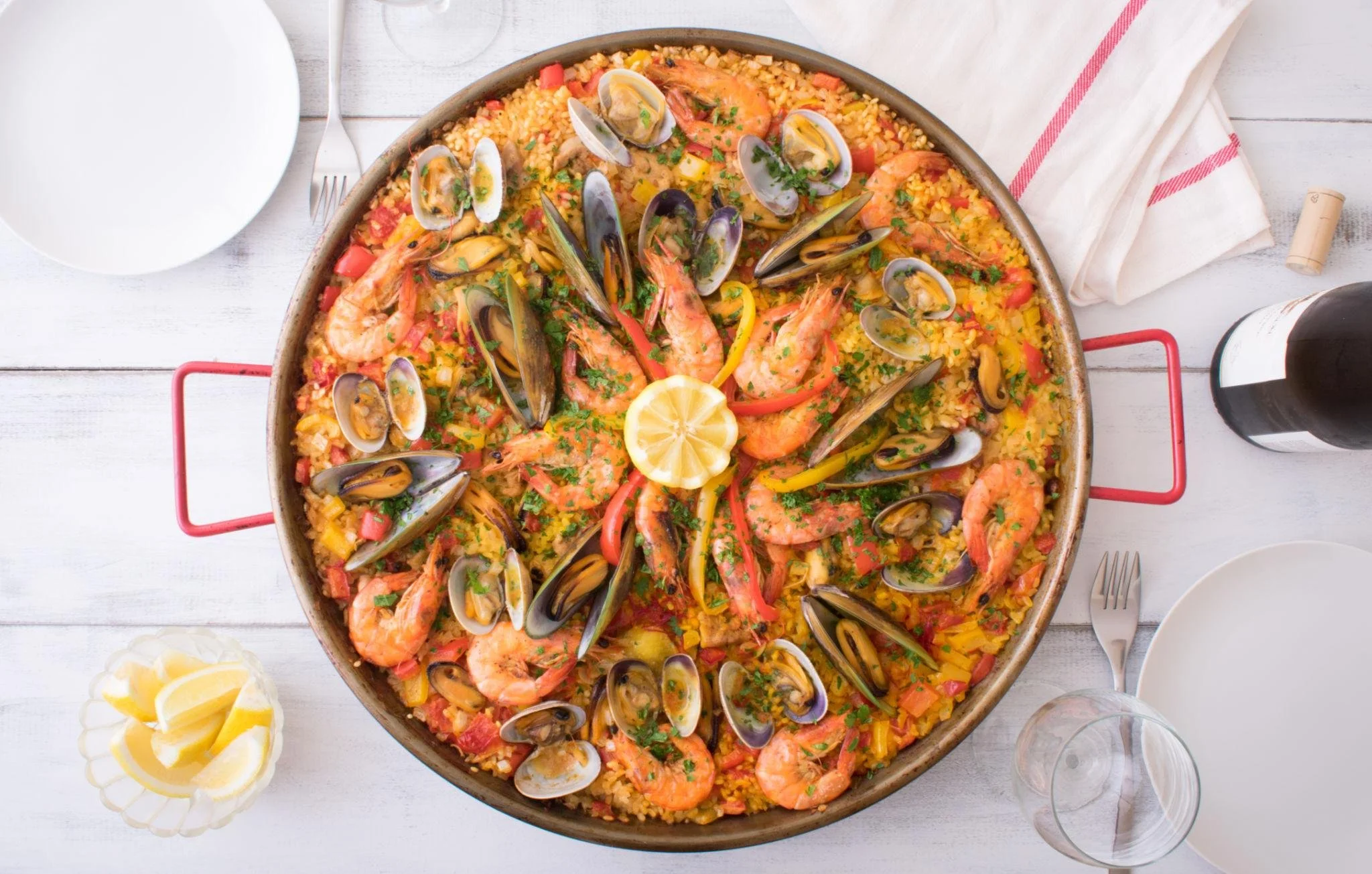
No saffron dish is more famous than Spain's iconic paella.
Originating in Valencia, paella relies on saffron to deliver its characteristic golden colour and subtle floral aroma.
Traditional Seafood Paella
Ingredients
300g paella rice
1 litre fish stock
15 saffron threads
Prawns, mussels, and squid
Tomatoes
Olive oil
Method
Infuse saffron in warm stock.
Sauté seafood and vegetables.
Add rice and saffron-infused stock.
Simmer without stirring until the liquid is absorbed.
Allow a light crust, known as socarrat, to form on the base.
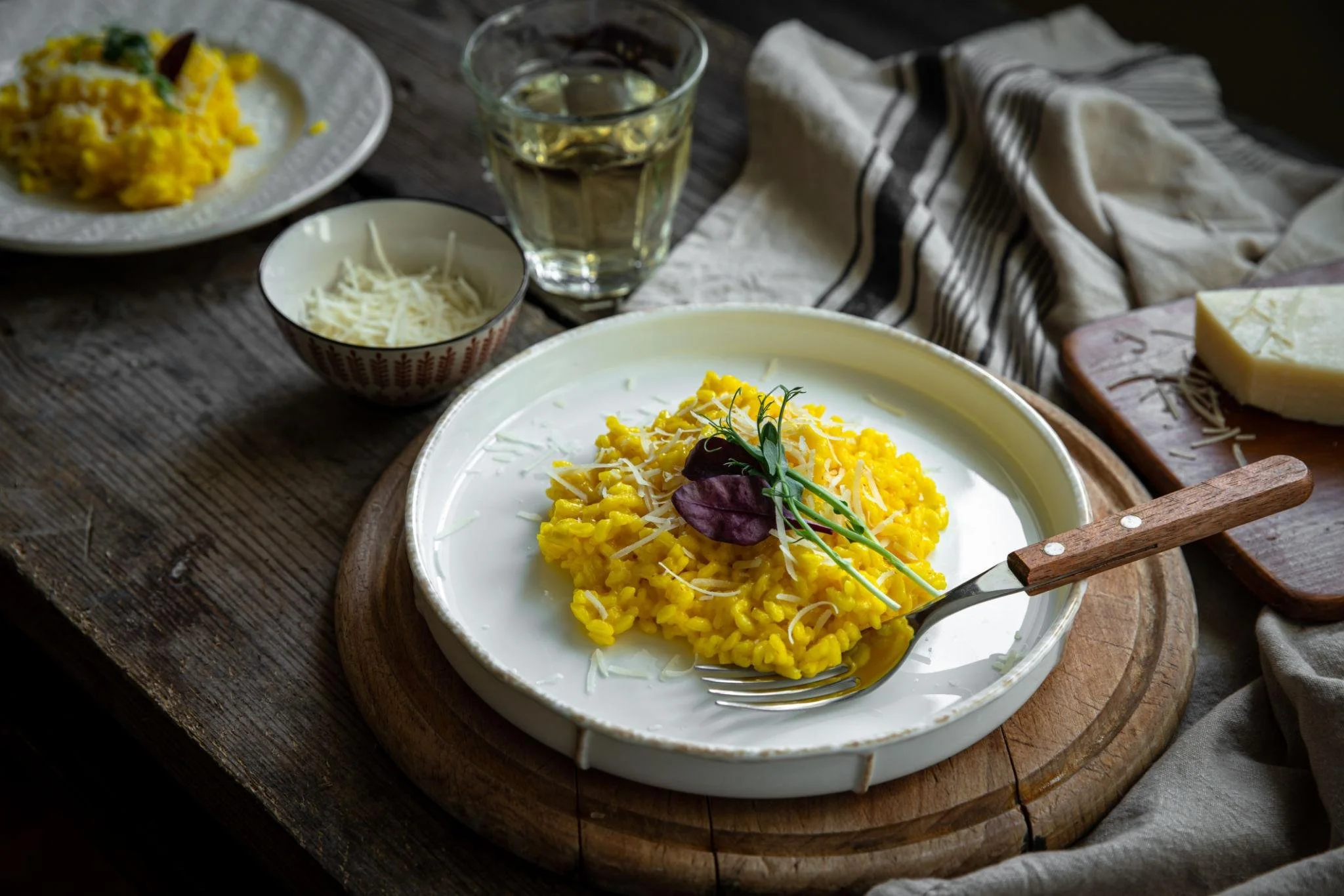
Italy: Risotto Alla Milanese
In northern Italy, saffron reaches perhaps its most elegant expression.
Risotto alla Milanese dates back to the Renaissance and remains one of Italy's most celebrated rice dishes.
Ingredients
Arborio rice
Chicken stock
Shallots
Butter
Parmesan cheese
Saffron infusion
The result is a rich, creamy risotto glowing with saffron's unmistakable golden colour.
Southern France: Saffron by the Sea
Along the Mediterranean coast of France, saffron often appears in fish soups and seafood stews.
Traditional dishes such as Bouillabaisse benefit from saffron's subtle complexity, which enhances rather than overwhelms delicate seafood flavours.
Contemporary Cuisine: Saffron in Modern Kitchens
While saffron remains central to many traditional dishes, today's chefs are finding exciting new ways to showcase its unique flavour and colour. Across Europe, North America, and the Middle East, saffron is increasingly appearing in contemporary cuisine, from artisan breads and seafood dishes to cocktails, desserts, and fine dining tasting menus. Innovative chefs pair saffron with ingredients such as citrus, shellfish, dark chocolate, and seasonal vegetables, demonstrating its remarkable versatility beyond classic recipes.
At the same time, home cooks are rediscovering saffron as interest in authentic ingredients, Mediterranean diets, and slow food traditions grows. A simple saffron infusion can elevate everything from risottos and soups to ice cream and baked goods, bringing a touch of luxury to everyday cooking. As consumers seek foods with provenance and cultural heritage, saffron continues to bridge the gap between ancient culinary traditions and modern gastronomy.
This enduring adaptability helps explain why saffron remains one of the world's most prized spices. More than 3,500 years after its first cultivation, it continues to inspire chefs, food lovers, and culinary innovators around the globe.
Why Saffron Appears in Celebration Foods
Across North Africa, the Middle East, and the Mediterranean, saffron became associated with weddings, religious festivals, harvest celebrations, and family gatherings.
Its rarity and labour-intensive harvest made it a luxury ingredient. Offering saffron to guests demonstrated generosity, hospitality, and prosperity.
This tradition continues today. Whether served in a Moroccan tagine, a Persian rice dish, a Spanish paella, or an Italian risotto, saffron remains a spice reserved for moments worth celebrating.
Bringing Ancient Traditions to Modern Kitchens
At Saffron Caravane, we believe every saffron thread tells part of a story stretching back thousands of years. The saffron harvested by families in Taliouine today continues a culinary tradition that connects Morocco with Persia, the Levant, and the wider Mediterranean world.
By learning these traditional recipes and techniques, modern cooks can experience one of history's most remarkable ingredients exactly as generations before them have done.
From golden tagines to fragrant rice dishes, saffron remains the spice that unites cultures, cuisines, and centuries.
When you see and taste Premium saffron for the table, the recipe is for the soul.